
January 30, 2026
The choice of materials for outdoor decks is closely tied to environmental sustainability. The most environmentally friendly decking options include composite wood decking, bamboo, and other renewable materials. These materials are durable and require low maintenance. Composite decking further reduces the need for upkeep and frequent replacement.
The key to building an environmentally friendly decking lies in selecting materials with high recycling rates. Avoid using virgin materials. Also, give priority to goods that reduce the amount of trash that ends up in landfills. This article will talk about how materials like bamboo, wood, and composite decking affect the environment. It will help you make a complete choice.
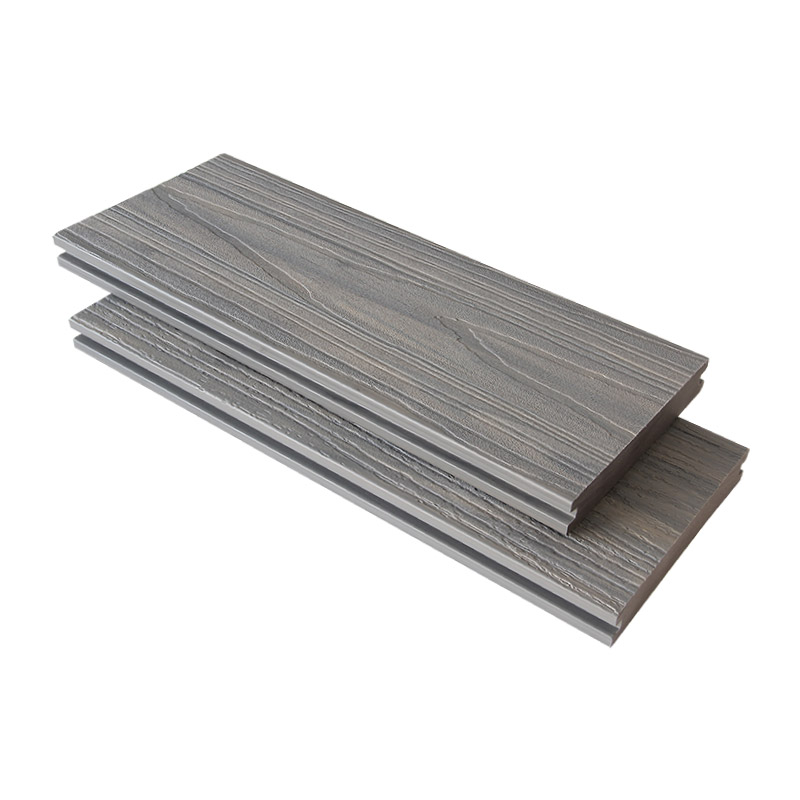
Capped with an HDPE layer, Capped Composite Decking is made excellent at resisting stains, scratches, weathering, and fading.
View MoreTable of Contents
The following important things must be thought about to see if a deck material is good for the environment:
The material’s effect on the world depends on where it comes from. Using hardwoods puts a lot more stress on forest environments than renewable resources like bamboo. Products like composite decks that are made from recycled materials make landfills less full.
For environmental reasons, it is also important to know if the material can be recovered when it is no longer useful. One example is that almost all metal decking can be recycled. A lot of the materials used to make composite decks can also be recycled.
Key markers for judging environmental sustainability are the amount of energy used and the amount of pollution produced. For example, harmful chemicals are not added to the process of making composite decks. On the other hand, making some low-quality PVC decks can release harmful chemicals like dioxins into the air.
How long the deck lasts directly affects how often it needs to be replaced, which in turn affects how many resources are used over time. For example, every 10 to 15 years, wood decks might need to be replaced. Composite decking and metal, on the other hand, last a long time and don’t need to be replaced as often. This cuts down on waste and resource loss by a large amount.
Traditional wood also needs to be cared for regularly with stains and oils. These chemicals can make the air, water, and land dirty. It is better for the earth in the long run to use materials that don’t need much or any upkeep.
Learn More: What Is the Longest Lasting Deck Material?
Deck materials offer varying environmental benefits. Below are several mainstream eco-friendly options available on the market:
Used plastic and wood fibers are put together to make composite decking. It’s a great example of reusing things. Composite decking from brands like Trex and COOWIN is mostly made from recycled materials. They keep a lot of plastic out of landfills every year. Besides that, composite decking is good for the environment in these ways:
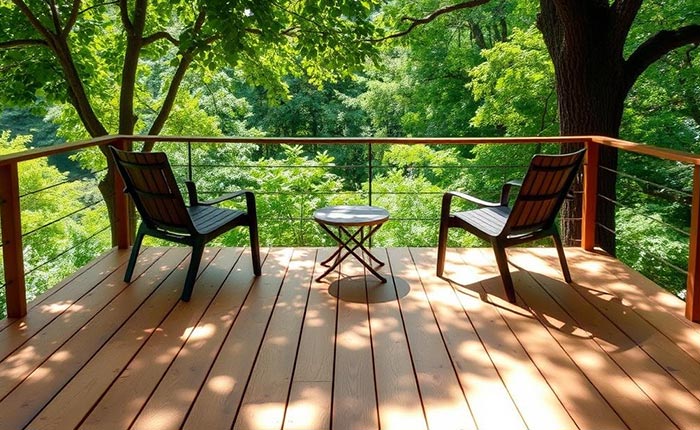
Bamboo grows much faster than other trees, so it can be used over and over again. It’s fully grown in just 3 to 5 years, and once it’s been picked, it doesn’t need to be planted again because its roots naturally grow new shoots. Because treated bamboo naturally doesn’t attract bugs or rot, it doesn’t need to be treated with chemicals.
Also, bamboo’s unique grain and color range give decks a natural look that is all their own. But its environmental credentials rely a lot on how it is processed. Bamboo goods that have been treated physically are better than those that have been treated chemically.
Plastic that has already been used is used to make recycled plastic decks. It turns plastic trash into a strong building material. It doesn’t use any wood at all, so it doesn’t put any stress on forest supplies. It is totally waterproof, won’t attract bugs, and won’t rot, so it doesn’t need much upkeep. The material doesn’t break down, and if it’s put correctly, it can last for decades.
On the other hand, it might not look as realistic as wood or composite decking does. Some low-quality materials recycle plastics that have additives or contaminants that are dangerous. These parts can be chemically dangerous and hurt the earth.
Building decks with reclaimed wood gives materials a second life. Its environmental benefits include:
But the recycled wood supply isn’t always constant, and it’s hard to make sure that the colors and sizes are all the same. Before using the wood, homeowners must carefully check how strong and long-lasting it is. A lot of old wood also has chemical additives that aren’t allowed, so it needs to be tested carefully.

Aluminum is an environmentally friendly choice because it lasts a long time and can be recycled. Some important benefits are:
But making aluminum in the first place takes a lot of energy. In hot places, it might get too hot, which would make you less comfortable. Also, its industrial look might not work with all types of architecture.
It is possible for softwoods to be as durable as hardwoods by treating them with heat or non-toxic chemicals. This method also has less of an effect on the environment because it uses fewer rare hardwoods. The method of modification uses fewer chemicals and is safer than traditional pressure-treating wood. When it’s no longer useful, it breaks down naturally and doesn’t pollute the environment in the process.
Processing changed wood, on the other hand, raises the cost of production. Heat treatment also changes the color of the wood. Some changes that are made to wood may even make it less strong.
A lot of people are wrong when they say that natural wood is the most eco-friendly option. Still, most traditional wood decks cause problems for the earth over their whole life cycle.
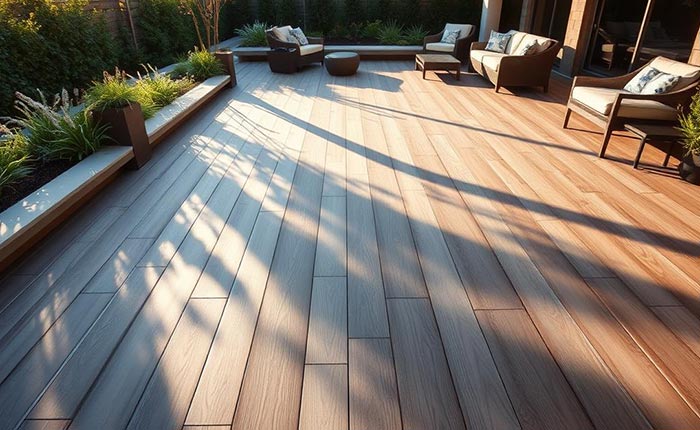
The most environmentally friendly deck material depends on a lot of things, like where the materials come from, how they are made, and how easily they can be recycled. Most of the time, composite decks are the best option. By choosing decks that are good for the environment, you can enjoy living outside without hurting the world. For further inquiries, feel free to contact COOWIN. We provide eco-friendly, durable composite decks and are here to answer your questions.
Composite decking is mostly made from recovered plastic that has already been used. This directly cuts down on trash in landfills. Also, good composite decking lasts more than 25 years, so you don’t have to repair it as often, which cuts down on plastic waste. The key is to choose names that use a lot of recycled materials and production methods that are good for the environment.
For decking prices, you need to look at the whole life cycle. Some eco-friendly products may cost 20% to 50% more than pressure-treated wood at first. But costs can be less than those for tropical hardwoods. The prices of maintenance also vary a lot. Cleaning and staining a traditional wood deck every year costs a lot of money and takes a lot of time. Composite decks and recycled plastic don’t need nearly as much care.
High-quality, environmentally friendly decks enhance a home’s resale value. More and more people are interested in sustainability as they learn more about the Earth. Potential buyers are also more interested in homes that don’t need much upkeep.

Can You Put Composite Decking Over Existing Wood Deck?

How Much Does a 20 x 20 Composite Decking Cost in 2026?
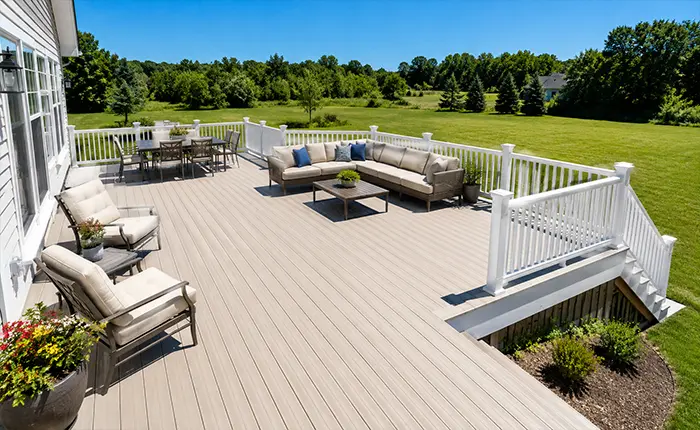
What Is The Best Decking Material For Full Sun?
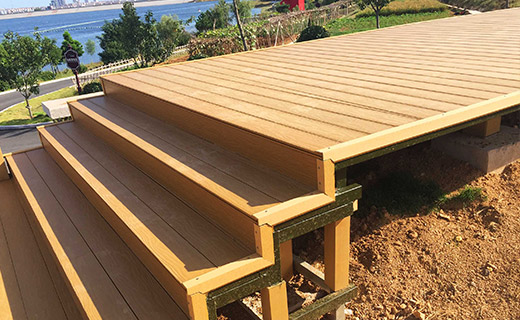
Why Does Composite Decking Warp and How to Fix It?
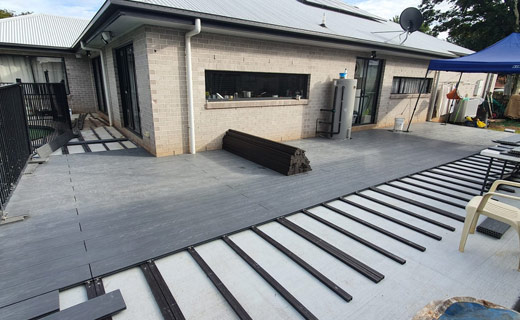
Can You Just Replace Deck Boards with Composite?
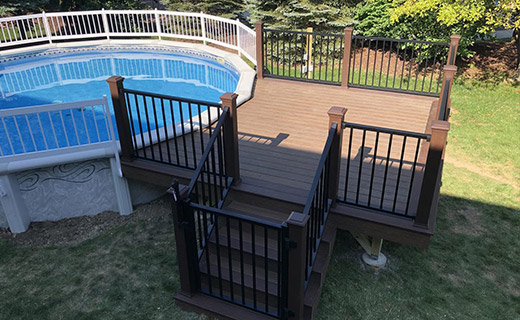
How to Building a Pool Deck Around an Above Ground Pool
 Composite vs. Vinyl Fences: Pros, Cons, and Costs
 Will Composite Decking Become Slippery in Winter?
 Composite Fencing for Windy Areas: Wind Load and Design Tips
 How To Finish Off Composite Decking Edges?
