
October 27, 2025
Composite decking board costs more up front than wood, but wood costs more over time because it needs more upkeep. A composite deck usually costs between $40 and $80 per square foot to install. And wood deck costs between $30 and $80 per square foot. The ultimate price depends on the size of the deck and the product.
The material cost is the main reason why composite decking costs more up front. It can be two to three times more than pressure-treated pine. Wood prices vary a lot depending on the type. Some exotic hardwoods cost as much as or more than composite.
Table of Contents
Composite decking materials are known as wood plastic composite decking, also known as WPC decking. They are made from a blend of recycled plastic and wood fibers. Composite decking looks like real wood boards and can give you the enjoyment of solid wood.
Depending on the brand of composite decking, high-quality composite decking boards usually have a realistic wood grain pattern. Of course, they also have composite deck boards with a grooved surface and a frosted surface.
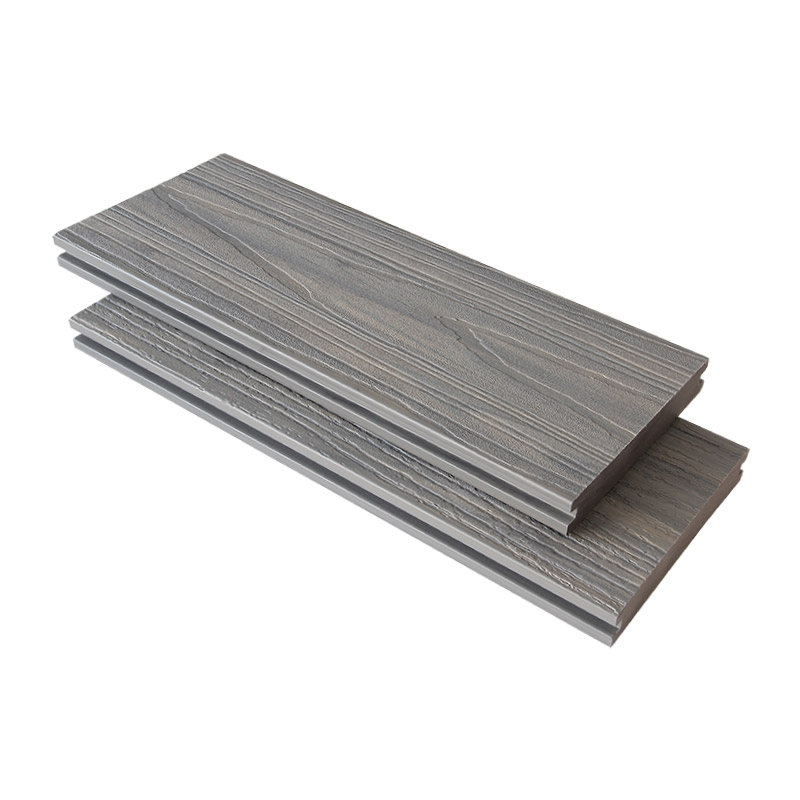
Capped with an HDPE layer, Capped Composite Decking is made excellent at resisting stains, scratches, weathering, and fading.
View MoreComposite decking offers numerous advantages over wood decking. For example, in the following aspects:
Of course, composite decking also has its own drawbacks:
Composite decking materials cost $16–$32 per square foot on average (materials only), depending on brand and quality. Installed costs range from $40–$80 per square foot, including substructure. For a 300 sq ft deck, expect $12,000–$24,000 total. Factors like steel framing (up to 35% more) or regional labor affect prices. Annual maintenance is minimal, around $50 for basic cleaning.
However, many families find it worthwhile to use composite decking for their outdoor living spaces. That’s because it can cost up to $1,000 per year to maintain your wood deck. After you’ve used it for many years, the total cost of building a wood deck will exceed the cost of composite decking.
For example, in humid climates, the initial cost of a 300-square-foot composite deck might be $15,000. However, compared to wood, it can save $500 to $1,000 annually in maintenance costs, breaking even after 10 to 15 years.

Traditional wood has always been the classic choice for outdoor decks. The price of wood decking varies greatly depending on the type of wood. Options include pressure-treated pine (affordable, chemically protected), cedar (naturally resistant, aromatic), and redwood (durable, rich color). Exotic woods like ipe are pricier but longer-lasting.
Natural wood decks require regular care and maintenance to keep them looking good and increase their lifespan. Every two to five years, wood decks need to be sanded, stained, and sealed. Painting a wood deck can cost anywhere from $540 to $1,250, but the average cost for most people is around $775.
Left untreated, natural wood materials are more susceptible to fading, moisture, and rot. Pressure-treated wood is known to warp and crack in the wind and sun. However, if you take care of your wood deck, it can last up to 15 years or more.
Pros:
Cons:
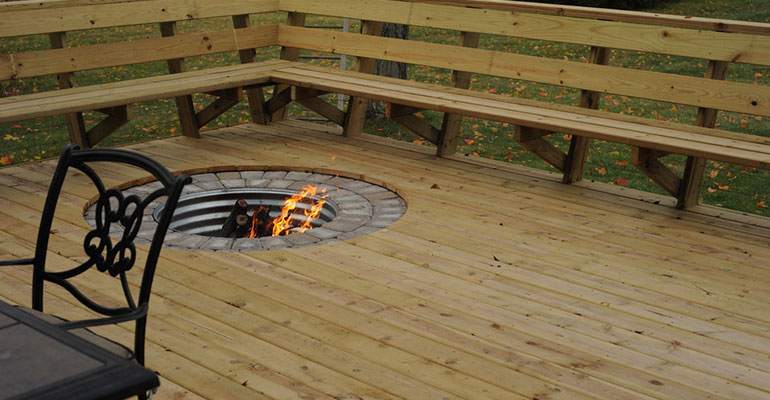
For those looking to save on installation costs, wood decking is a good option. However, prices vary depending on the type of wood. You can choose the appropriate wood species based on your specific needs.
Installation fees may range from $15 to $35 per square foot, depending on the region. For a 300 sq ft deck, wood totals $5,100–$15,000, but add ongoing maintenance. Lumber prices fluctuate with market demand, unlike stable composites.
For example, a coastal California redwood deck (300 sq ft) might cost $10,500 initially. But requires $300–$600 yearly for sealing, totaling more over 20 years than composite.
When installing a new deck, one can create a budget by estimating the cost of the entire project. When one wants to know the cost of a deck, the following steps should be followed.

While composites cost more upfront, wood’s maintenance often makes it pricier long-term. The following chart comparing the cost of different decking materials visualizes the average cost per square foot for different types of wood and composite decking.
| Decking Material | Cost per Square Foot (Materials Only) | Typical Lifespan | Annual Maintenance Cost |
|---|---|---|---|
| Pressure-Treated Wood | $2–$6 | 10–20 years | $1–$3/sq ft |
| Cedar | $4–$10 | 15–25 years | $1–$4/sq ft |
| Redwood | $5–$15 | 20–30 years | $1–$5/sq ft |
| Composite | $16–$32 | 25–50 years | <$0.50/sq ft |
Although composite decking is typically more expensive than wood, its pricing remains more stable. The price of wood decking fluctuates with the price of lumber. Therefore, the price of lumber affects the overall cost of building a wood deck. The price of different types of lumber will vary depending on where they are sold and how much people want them.
For the most part, pine is the cheapest decking wood. Cedar and redwood are more expensive, while well-known exotic woods such as Brazilian chestnut and ipe are the most expensive. Compared to the price of lumber, the price of composite decking boards is fairly stable.

The labor cost of installing composite decking is lower than wood decking because there is no need to process or seal the boards. The cost of installing composite decking boards typically ranges from $10 to $14 per square foot. Natural wood decking, on the other hand, costs $15 to $35 per square foot to construct.
There are also a few important things that can cause the labor costs to differ between installing wood decking and composite decking. Adding stairs or deck railings to a deck will cost more in labor, as will the design of the deck. In most cases, building a rectangular deck is the most cost-effective option.
Complex deck designs and multi-level decks require more measuring and cutting, so labor costs increase. Building an outdoor deck on a hill takes longer and requires more work. The same is true for building a deck in an area that needs to be cleared of rocks, trees, or other vegetation.
In addition, labor costs are affected by the season and the number of people building the deck. Wooden decks need to be stained, painted, and sealed before they can be used, which will take more labor hours. Different types of hardwoods require different starting holes to be drilled before they are joined, which also adds to the amount of work required. Labor costs are usually higher in cities with large crowds and a high cost of living than in rural areas.
Although composite decking costs more to install, it lasts longer, won’t stain or fade, and requires little maintenance. Composite deck boards don’t darken or fade as quickly as natural wood decking, and their color stays longer.
In addition, composite material lasts longer and looks better than wood because it is more weather-resistant than wood. For this reason, composite deck boards don’t require much maintenance. They only need to be cleaned twice a year with mild soapy water or a low-power pressure washer.
It is cheaper to buy a wood deck at first, but in the long run, it will cost more to maintain. This is because it requires regular sanding, staining, and replacement of boards to keep it in good condition. In order to keep a wood deck in good condition, one needs to maintain, service, and seal it every two to five years.
Hiring a professional for deck maintenance costs more than doing it yourself, but it still costs homeowners money and time to do it themselves. Everyone should know how to waterproof a deck and how to repair deck boards that have been damaged by weather.

People on a tight budget may choose to build a wooden deck and then maintain it themselves to save money. Composite decking may be better suited for people with more money or who don’t want to maintain a deck.
If you don’t mind spending a weekend every two to five years maintaining your deck, you can save money by doing it yourself instead of hiring someone to do it for you. For some people, the look of solid wood is a big advantage of owning a wood deck.
Maintaining a wood deck to keep it looking its best is only part of the equation. People need to consider the cost of regular maintenance and repairs when calculating the cost of building a wood deck. People with more money tend to think that the more expensive composite decking is worth it because they don’t want to do any more maintenance than a quick cleaning twice a year.
If you live in a place where the temperature is high all year round, when composite decking boards are exposed to the sun, they can get so hot that it can be difficult to walk on them barefoot. On hot days, some people like to put outdoor rugs on their composite decking to keep their feet cool. You can also go for light-colored composite decking boards, which will reduce its heat.
If you live in a coastal area or a place with a lot of rain, it is recommended that you choose composite decking boards with grooves or 3D wood grain. This will prevent the composite decking from becoming slippery when it gets wet.
The above is the difference in cost and advantages of composite decking and wood decking. Choose the decking material that suits you according to your living area, preference, budget, and so on.
If you have more questions, you can consult our service team. COOWIN is a composite decking brand with more than two decades of experience in production, research, and development. We are committed to providing you with more thoughtful services.

No, composite decking is not normally less expensive than wood. In fact, the initial cost is much higher. However, composite decking’s greater initial cost is frequently offset over time by cheaper maintenance costs, such as the absence of the need for staining or sealing. As a result, while wood is less expensive in the short term, composite is a more cost-effective solution over time.
Composite decking normally lasts 25 to 30 years. Some high-quality types can last 50 years or longer with careful maintenance. The lifespan is influenced by factors such as installation, maintenance, and environmental exposure.
Yes, composite decking becomes heated in the sun, just as other outdoor surfaces such as wood or sidewalks. The amount of heat it absorbs is determined by elements such as color, as darker boards heat up faster than lighter ones. While some specialty composite decking is designed to be cooler. And you can considerably reduce heat by using lighter colors or providing shade.
Fall is often the greatest time to build a deck. Because there are more contractors available and the weather is more temperate. However, installing in the spring allows you to use the deck throughout the summer and may result in lower prices before the busy season. Summer can be hectic and pricey, but if you want to enjoy your deck sooner and have more flexible work schedules, it’s still an option.

Can You Put Composite Decking Over Existing Wood Deck?

How Much Does a 20 x 20 Composite Decking Cost in 2026?
What Is The Best Decking Material For Full Sun?
Why Does Composite Decking Warp and How to Fix It?
Can You Just Replace Deck Boards with Composite?
How to Building a Pool Deck Around an Above Ground Pool
 Composite Decking vs. Wood: Which Should You Choose?
 Composite Decking Colors: Selection Guide
 Can You Power Wash Composite Decking?
 Composite Decking Cost per Square Foot: A Project Budget Framework
